About LitFin
LitFin, based in Dar es Salaam, advises institutions in banking, business and finance, builds AI software for them, puts it to work and trains their people.
LitFin Intelligence, the product institutions use today, reads a credit file the way a senior credit manager does and writes the appraisal, the underwriting documents, the risk analysis and the ESG and climate finance work an institution signs off. Its standard comes from people who have carried that responsibility in Tanzania: years as director of credit and secretary of a board credit committee, more than a decade in compliance, risk management and anti-money laundering, and a working life setting up production. Institutions use it as software their own officers sign in to, or our team does the work and returns it. Your own people make every decision.
How it began
Why we built LitFin Intelligence
A credit paper goes wrong in familiar places. Turnover in the plan that never passed through the bank account. A valuation that says nothing about what the security would fetch in a forced sale. A cash flow that has the buyer paying within the month when he pays after a quarter. An experienced head of credit sees these on the first read. Few institutions have enough such people to read every file.
So a file is read only as well as the officer who picked it up, and the reasons behind a decision often leave with that officer. We built LitFin Intelligence to read every file the way those people would, every page, and to write down where each figure came from and what is missing, so your committee and the next officer can check it.
The standard comes from our team and our two mentors. Anderson Yohana Mlabwa spent 29 years in Tanzanian banking, much of it as director of credit, and taught us to ask first whether the borrower can repay. Asumpter Mwikila, our chief executive, brings more than a decade in Tanzanian banking in compliance, risk management, anti-money laundering and foreign exchange: who the borrower really is, and where the money comes from. Aloys Mwikila, who has spent his working life in agricultural production, taught us to ask whether a business can actually produce what its plan promises. A credit file needs all three questions answered, and George Mwikila and David Anderson Mlabwa built LitFin Intelligence to put them to every file.
Dar es Salaam, Tanzania
Where LitFin is based.
- Where we work today
- Tanzania
- Who we work for
- Institutions
- How institutions work with us
- Software and service
- Files read in either, or both
- Swahili and English
The team
The core team: three co-founders and two mentors
The co-founders run LitFin: Asumpter Mwikila leads the company, George Mwikila leads its technology and David Anderson Mlabwa leads its operations. The mentors are Anderson Yohana Mlabwa, who spent nearly three decades in Tanzanian banking, most of them in credit, and Aloys Mwikila, who grows agricultural businesses from the production side.
Why these two mentors
A credit committee asks whether a business can repay, and the business has to show it can produce what its plan promises. Anderson spent 17 years answering the first question as director of credit and secretary of the board credit committee, and Aloys has spent his working life on the second, setting up production lines for large companies and training farmers to commercial scale. Both are also investors in LitFin.
Co-founders
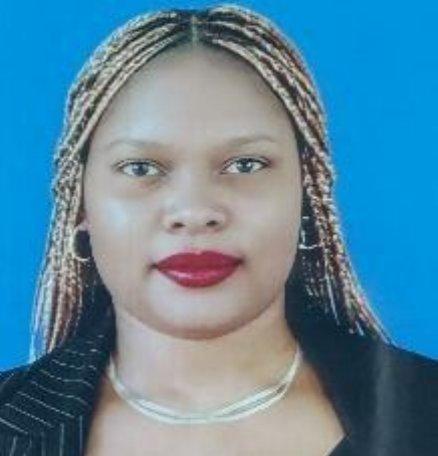
Asumpter Mwikila
Co-founder and Chief Executive Officer
Asumpter leads LitFin. She spent more than twelve years in Tanzanian banking, in compliance, risk, treasury and operations, rising to Compliance Manager and serving as acting head of both compliance and risk at a commercial bank.
She was the bank's point of contact with the central bank and the Financial Intelligence Unit, and its approved officer for anti-money-laundering control. She holds a master's degree in accounting and financial management and a bachelor's degree in economics and finance from the University of London.
- Compliance, risk and anti-money laundering
- Master of Accounting and Financial Management, University of London
- Bachelor of Economics and Finance, University of London

George Mwikila
Co-founder and Chief Technology Officer
George leads engineering at LitFin and built its platform end to end. He is an AI engineer trained in finance, so the systems he builds reason about a credit file the way an experienced banker does and can account for every figure they produce.
He spent more than seven years as a software engineer at Finimize in the United Kingdom before co-founding LitFin, and holds a Bachelor of Finance from Minerva University in the United States.
- AI engineering
- 7+ years software engineering, Finimize, United Kingdom
- Bachelor of Finance, Minerva University
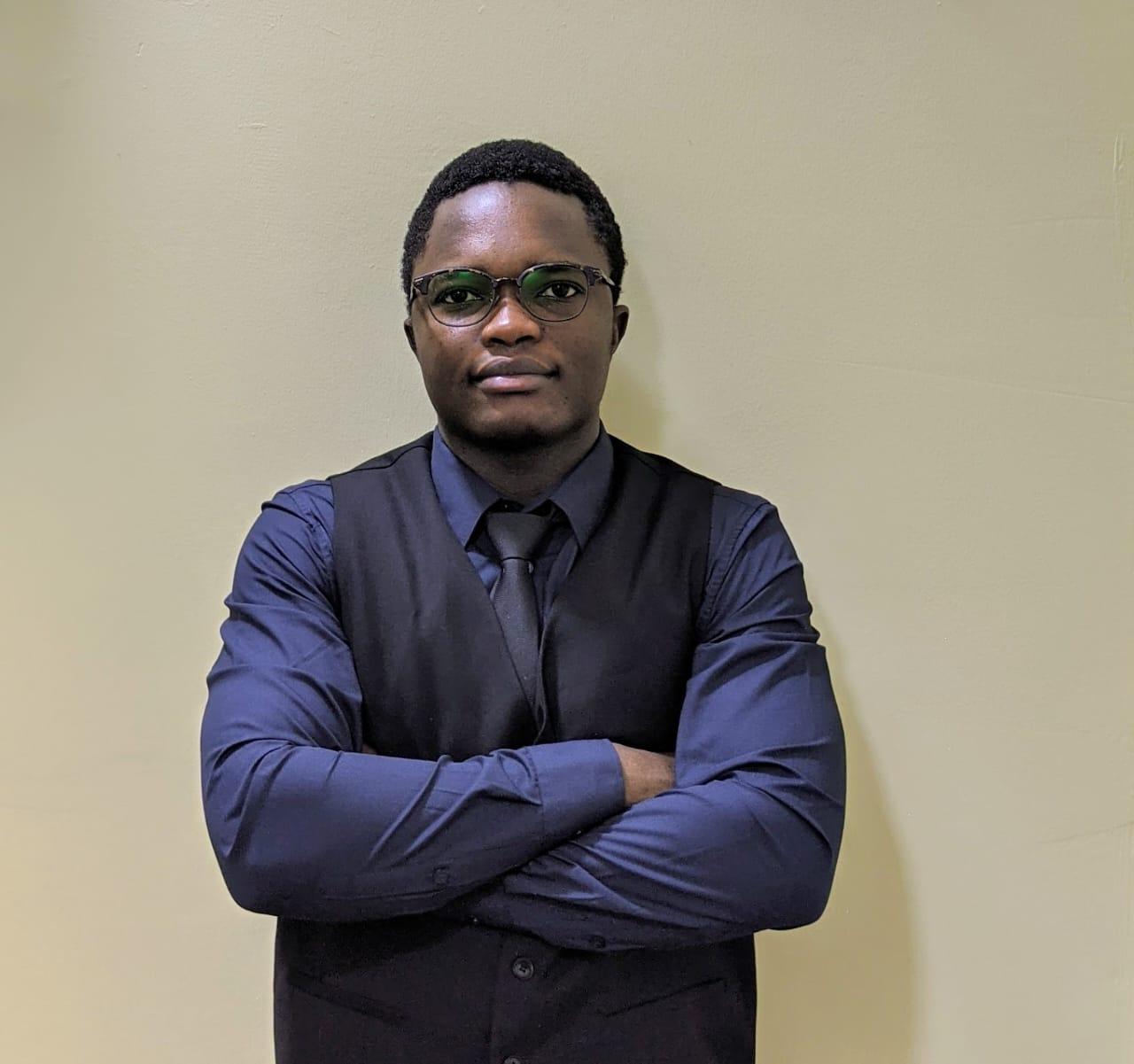
David Anderson Mlabwa
Co-founder and Chief Operating Officer
David runs LitFin day to day. He is responsible for how work reaches clients, for research and data, and for operations in the field.
His own discipline is data. He works in graph analysis and explainable machine learning, the methods that let a credit committee see why an analysis says what it says, and he specialises in data privacy. He holds a BSc (Hons) in Information Systems from Sunway University in Malaysia.
- Operations and client delivery
- Graph analysis and explainable machine learning
- BSc (Hons) Information Systems, Sunway University
Mentors
Anderson Yohana Mlabwa
Mentor and Investor
Anderson spent 29 years at one of Tanzania's largest banks. For 17 of them he was Director of Credit and Secretary of the Board Credit Committee, and he later served as Director of Risk and Compliance.
He coordinated a regional programme to de-risk agricultural finance for smallholder farmers in four African countries, advised on the founding of a pan-African guarantee fund, and trains the boards and credit teams of banks and microfinance institutions. He holds an MBA in Finance.
- MBA Finance (UDSM)
- CPA (NBAA)
- Associateship Banking Diploma (CIB London)
Aloys Mwikila
Mentor and Investor
Aloys has spent his career directing agricultural production, in crops and in livestock. He takes an operation from bare ground to commercial output: he plans the production, sees to the financing and the legal requirements, procures the inputs and equipment, and runs the work on the ground.
Large companies have brought him in to establish their production lines, and he has trained farmers from their first planting to commercial scale. He holds a bachelor's degree in agriculture from Sokoine University of Agriculture.
- Agricultural production, crops and livestock
- Financing, procurement and field operations
- Bachelor's degree in agriculture, Sokoine University of Agriculture
What we do
What your institution can use today
LitFin Intelligence works on credit files for institutions in Tanzania. Your officers can do the work themselves with the software, or our team can do it and return the file to you.
Credit appraisal
Mwikila, our AI Senior Banking & Finance Manager, reads the whole file the way a senior credit manager does, including pages photographed on a phone, raises the questions it leaves open and writes the appraisal your credit committee reads, each figure with the page it came from. Any page he could not read is listed.Underwriting and risk analysis
The facility terms and the documents that carry them: the credit memorandum, the business plan, a financial model that recalculates when an assumption changes, the conditions precedent and covenants, all stating the terms the same way. The file's risks are written up with the evidence for each and what would settle it, so a lender, an insurer or a guarantee fund can each use them.ESG and climate finance
Environmental and social screening against the IFC Performance Standards, concept notes and funding proposals in a climate fund's own form, and a check of a carbon project against Tanzania's carbon trading regulations.Tested on agricultural files
Tested on agricultural files with officers from a major agricultural lender that plays a large de-risking role for agricultural loans in Tanzania. We do not name the lender.
What we are building
Next, we are building the products below, and more of the work around a file
Each product has a page of its own. None of this is live yet.
LitFin Credit
Coming soon
For borrowers, as a business or an individual: an application ready before the lender reads it, advice on personal and business finances, and training.LitFin Agriculture
Coming soon
For agricultural finance, starting with smallholder farmers.LitFin Tax
Coming soon
For a business's books and tax, in order all year.Across the loan book
Concentration by sector and by borrower, stress testing and early warning across every file your institution holds, not one file at a time.Insurers and guarantee funds
Work built for an insurer or a guarantee fund as an institution of its own, such as checking whether a file meets a fund's eligibility rules before cover is given.Climate fund annexes
The annex workbooks a climate fund asks for, in the fund's own layout, and help with registering a carbon project.Built for Tanzanian banking
Every reading follows the rules Tanzanian lenders work under, the documents a Tanzanian file actually holds, and both of its languages.
Tell us what to build first
If your institution wants a say in what we build next, write to us and tell us which of these would save your team the most work.
Our values
What we hold ourselves to
What holds in every file we work, whatever we build next.
Credit for those who can repay
A borrower who can repay should get the loan, and one who cannot should not be lent into arrears. Both depend on the file being read properly, every page of it.Your people decide
Mwikila reads the file and gives the reason for each conclusion, with the page it rests on. Your officers and your committee make the decision.Your files kept apart
We hold other people's financial records. Each institution's records are kept apart from every other's and encrypted, and we handle them under Tanzania's data protection law.Tanzania
We work from how credit is done in Tanzania: the documents a borrower here actually brings, in Swahili or English, under the rules of the Bank of Tanzania and the other authorities Tanzanian lenders answer to.
Send us a file you have already decided
Tell us what your institution lends to and which file you would choose. We will work it and set our appraisal beside the one your committee read.